Platform
Nintendo Switch 2 confirmed
Source: Nintendo
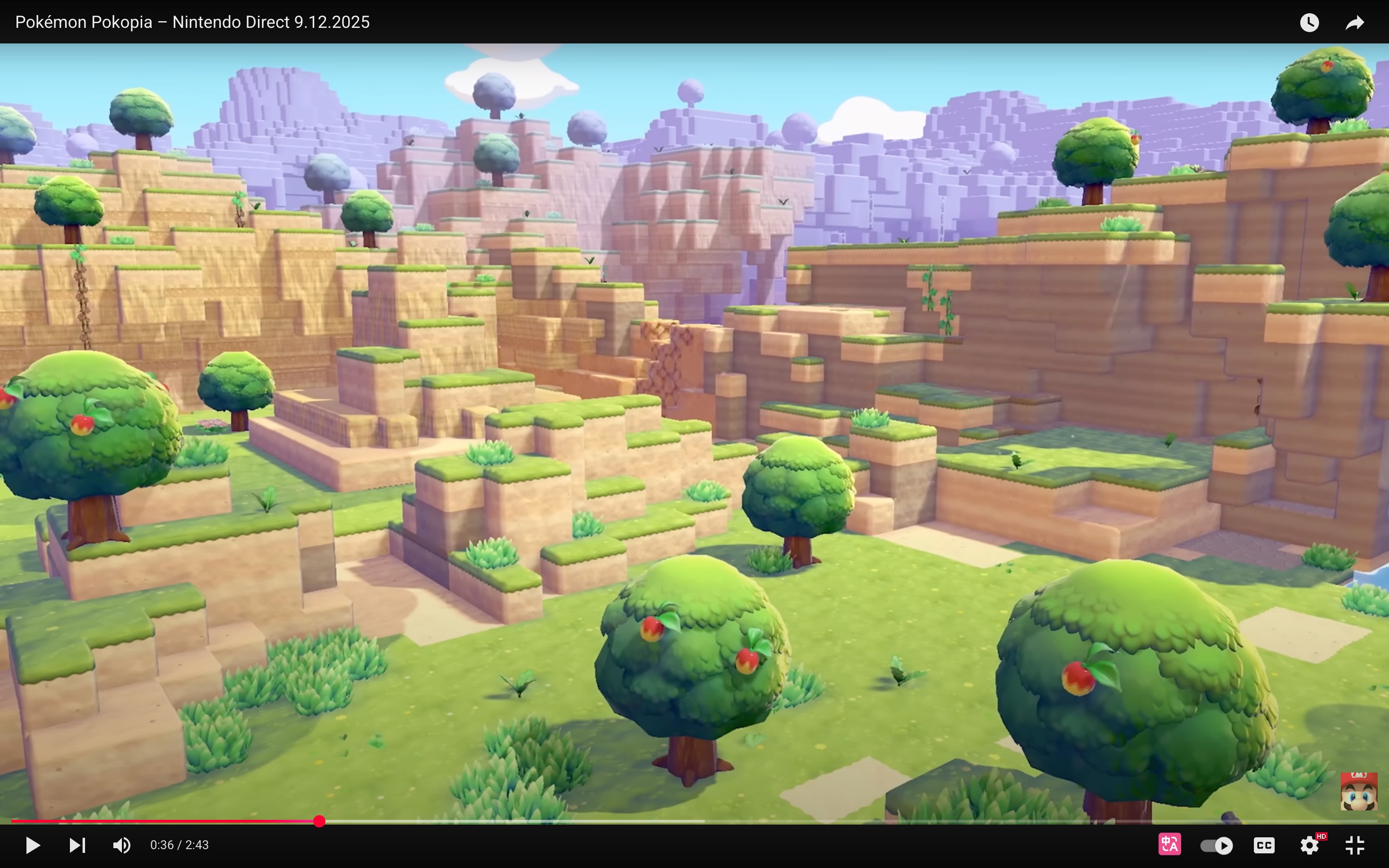
Pokopia is a cozy life-sim and building project inside the Pokémon universe. You play a human-shaped Ditto who uses familiar moves to irrigate, green, dry, or reshape areas, attracting Pokémon to settle. This page keeps Pokopia information short, sourced, and easy to scan.
Nintendo Switch 2 confirmed
Source: Nintendo
2026 (date TBA) official
Source: Pokemon.com
Life-sim & building; moves affect terrain and resources.
Based on official reveal and trailer analysis.
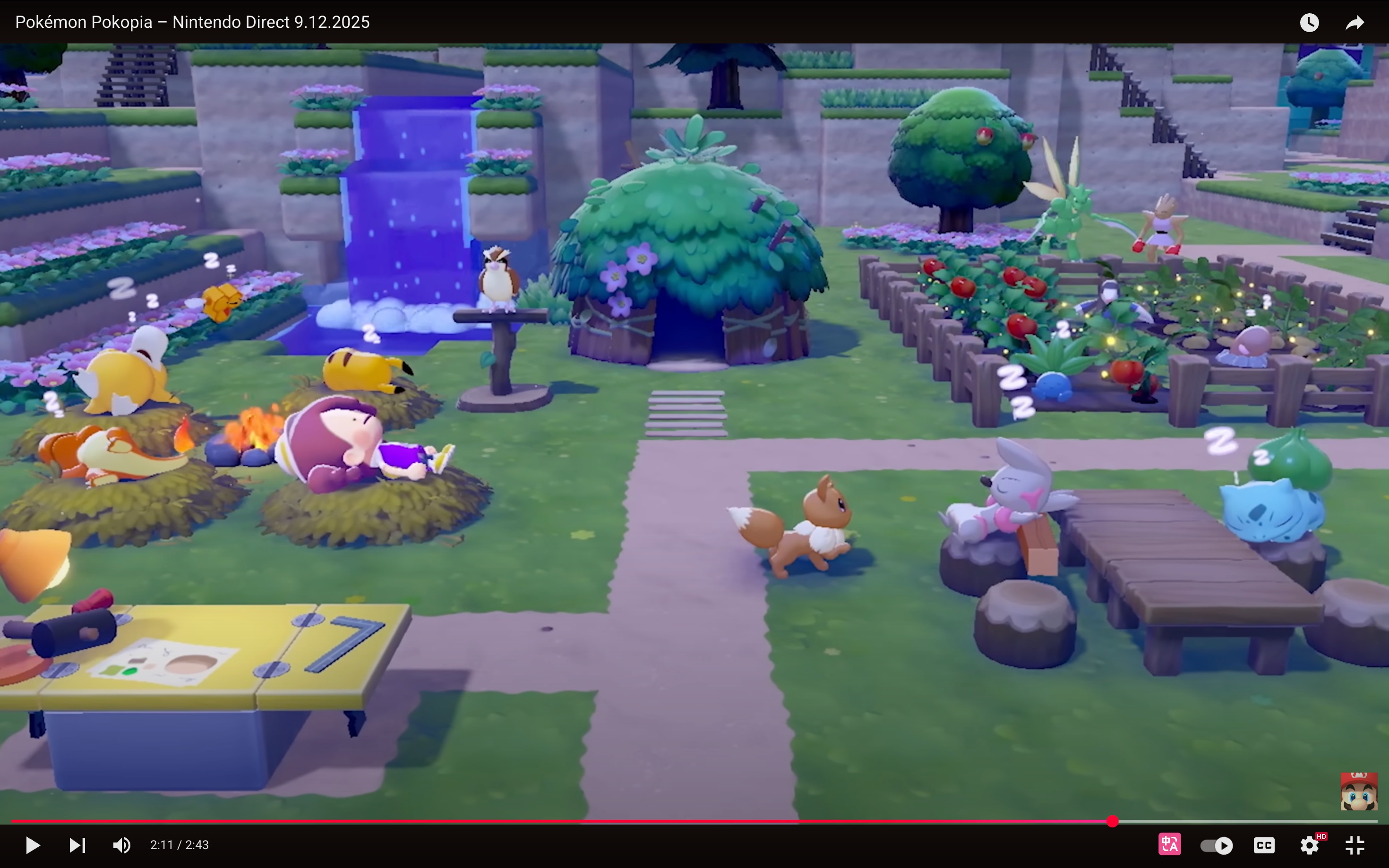
Everything shown so far suggests that Pokopia favors warm colors, legible shapes, and pleasant feedback. Interfaces look bold and easy to parse, while the landscape surfaces changes clearly—green tiles are greener, dry tiles are crisp, and water glints in a way that reads from a distance. That visual language should help new players read the island without guesswork. If you are introducing someone to games, Pokopia could be a kind first step because it teaches through cause and effect rather than through heavy tutorials.
Accessibility often goes beyond UI choices, and here Pokopia’s slower tempo may help. Short sessions still accomplish something meaningful, and there is no pressure to chase timers or attend a daily checklist. The result is a playstyle that respects your time—finish one mini‑project and step away feeling satisfied. Players who prefer to unwind might find Pokopia’s cadence especially inviting.
Even in a calm game, players need a sense of direction. Pokopia seems to anchor progress in visible transformation. You start with a rough island that lacks structure; over time, canals, farms, paths, and workshops appear, and Pokémon residents treat them like real spaces. A new resident can create small opportunities—perhaps a berry request that introduces a seed, or a tidying task that clears a route to a new biome. None of this looks grindy; instead, Pokopia frames progress as a series of thoughtful improvements, each one unlocking new possibilities for expression.
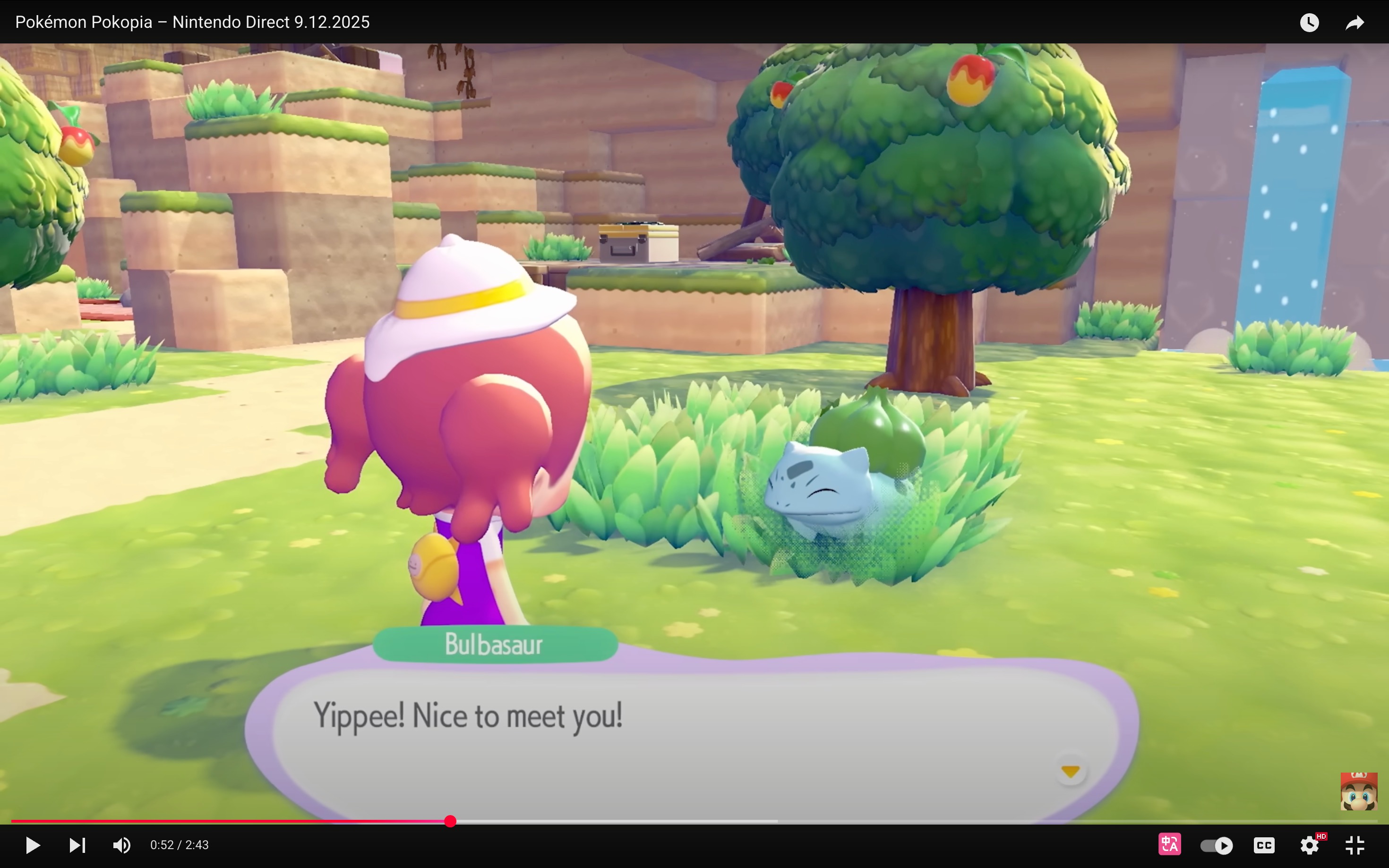
Because it is built in the Pokémon universe, Pokopia also benefits from recognition. Seeing a familiar Pokémon show up after you cultivated the right habitat carries a tiny story all by itself. The emotional payoff comes not from battle but from hospitality—Pokopia turns “catch them all” into “welcome them well,” reframing a classic fantasy into something gentle and modern.
If you enjoy slow‑build sandbox games where the world responds to care, Pokopia could fit alongside your favorites. Fans of relaxed builders and farming sims may appreciate how moves act as approachable tools. Players who like interior design and landscaping will likely enjoy arranging gardens and furniture to shape a welcoming neighborhood. Meanwhile, Pokémon fans who want a different perspective on the universe—one centered on stewardship—may find Pokopia’s tone refreshing. None of this replaces action‑heavy entries; it complements them with an alternative fantasy about making places feel like home.
Importantly, Pokopia looks like it understands that many players share a single console. The straightforward inputs and readable goals should make it easy for families to pass the controller, taking turns to add a little more charm to the island. Whether you have ten minutes or an hour, Pokopia provides projects that fit the time you have.
Not announced yet: price, pre‑orders, multiplayer specifics. The Updates section below will update when official sources publish more.
Pokopia aims to be a gentle, low‑pressure life‑sim where small actions reliably produce cozy payoffs. From the first minutes, Pokopia emphasizes clarity: you learn a move, try it on the world, and immediately see the land respond. The loop feels tactile and readable, with tiles greening, soil darkening, and paths emerging. Based on the reveal, Pokopia focuses on clear verbs—water, grow, dry, and blow—and invites players to chain them into simple, satisfying routines. While details may evolve before launch, the project communicates a friendly, approachable tone that suits both focused sessions and relaxing nightly play.
Another pillar for Pokopia is constructive creativity. Instead of combat, progress appears to come from stewardship and building. You attract Pokémon not by defeating them but by improving habitats, laying out gardens, and crafting cozy furniture that signals “this place is for you.” If you enjoy the feeling of leaving a space a little better than you found it, Pokopia seems designed around that kind of optimism. The human‑shaped Ditto avatar underscores that you are a helper first, using familiar Pokémon moves as tools rather than weapons.
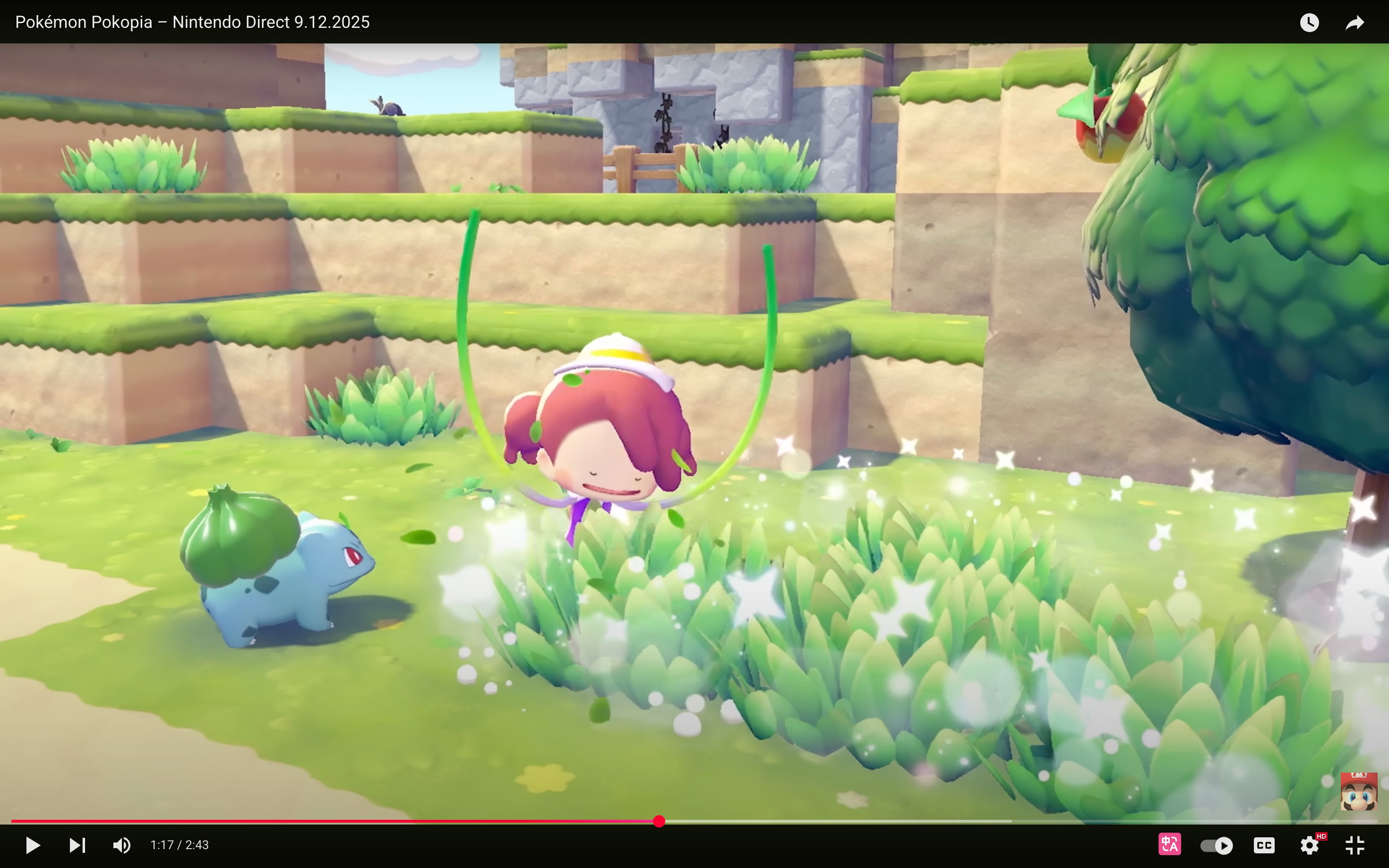
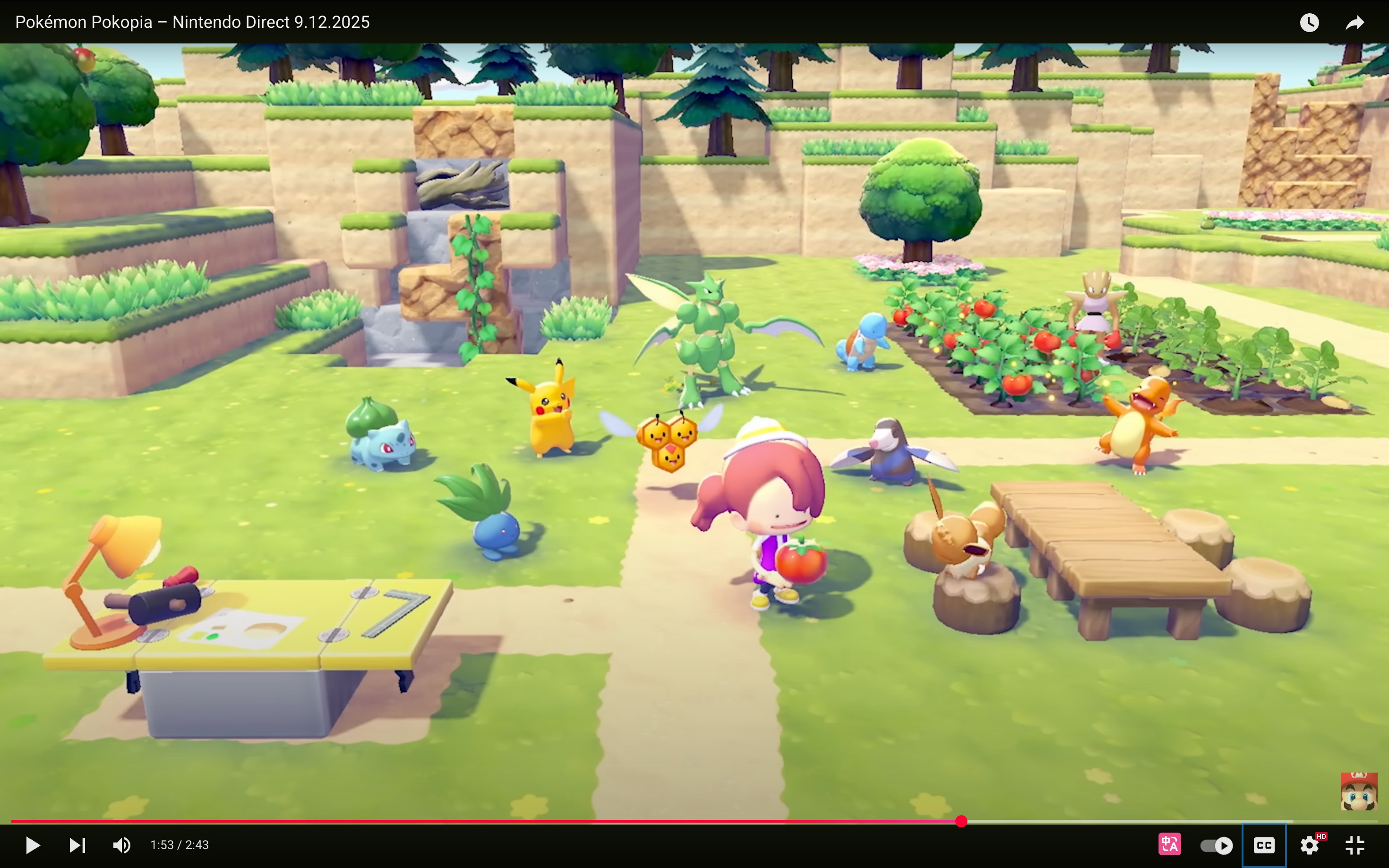

In everyday play, Pokopia appears to revolve around short, purposeful tasks: irrigate a field with a water move, sow seeds in freshly softened soil, then return later to harvest a new crop type that feeds into another project. You might dry a clearing with a fire move to prepare a campfire, or channel a gust to vent a workshop, unlocking a recipe that needs airflow. Step by step, these micro‑goals seem to unlock new blueprints, new decorations, and new reasons for Pokémon to stop by and call the island home.
Exploration should feel practical in Pokopia. When you step off the path, you are not just sightseeing—you are scouting for terrain that can be improved by your current toolkit. Perhaps you notice a soggy patch that Water Gun could redirect into a canal, or a barren corner that Leafage could turn into an herb garden. As your island gains structure and character, visiting Pokémon respond to the changes, behaving like neighbors who appreciate thoughtful planning.
Pokopia’s basic loop can be read as four beats. First, you learn or select a move that matches a local need—watering, greening, drying, or blowing. Second, you apply that move to the terrain to produce a concrete, visible change. Third, the improved space attracts an appropriate Pokémon or unlocks a small resource that nudges your plans forward. Fourth, you use those resources to build or craft, which, in turn, creates new needs that send you exploring again. The loop does not require rushing; Pokopia looks comfortable at your pace, letting gentle iteration lead to a flourishing settlement over time.
Because the verbs in Pokopia are readable, the game should be easy to explain to friends or family: “I used a move to irrigate this plot, and now my crops thrive” requires no encyclopedic knowledge of stats or types. That approachability could make Pokopia a good fit for households that share a console, or for players who want a calm project to return to after work. The island becomes a scrapbook of small improvements, and every evening gives you one more satisfying change to point at.
Filter by move, effect, or Pokémon name. Try Leafage or Water Gun in the table.
| Move | Effect | Potential unlocks | Source Pokémon | Status |
|---|---|---|---|---|
| Leafage | Greening / plant growth | New crops, green tiles | Bulbasaur | from reveal |
| Water Gun | Irrigation / moisture | Canals, crop boosts | Squirtle | from reveal |
| Ember | Drying / lighting | Campfire, cooking | Charmander | inference |
| Gust | Blowing / ventilation | Windmill, airflow | Pidgey | inference |
Pokopia is a life-sim and building experience where you role‑play a human‑shaped Ditto and use Pokémon moves to transform the island, farm, and construct a home for visiting Pokémon.
The official window is 2026; no exact date has been announced.
Nintendo Switch 2 is confirmed for Pokopia. Other platforms have not been announced.
Multiplayer information for Pokopia is not yet available.
Neither price nor pre‑order timing for Pokopia has been announced.
This concise guide focuses on verified facts and practical scanning so readers can decide if Pokopia fits their taste. When new official posts land, this page updates quickly and highlights changes relevant to Pokopia players.
Last updated:
Live discussion from the official search for #PokemonPokopia or #Pokopia. Opens links on X.
#PokemonPokopia OR #Pokopia on X